Introduction
In today's rapidly advancing world, the equilibrium in between growth and ecological conservation has actually never been even more essential. As sectors increase, especially in markets like building and farming, the need for efficient land administration practices ends up being vital. Among the important processes involved in this management is carrying out Environmental Impact Evaluations (EIAs) prior to any kind of forestry clearance activities occur. This article delves into the importance of EIAs, concentrating on their duty in land clearing services, forestry mulching, and lasting land use.
What are Environmental Impact Assessments?
Environmental Influence Evaluations are formal research studies that evaluate the possible environmental repercussions of a recommended project or action before it starts. By identifying possible unfavorable impacts on ecological communities, water sources, and biodiversity, EIAs serve as an aggressive tool for decision-makers.
The Purpose of EIAs
The main objective of EIAs is to ensure that potential ecological effects are taken into consideration thoroughly prior to any type of action is taken. They help:
- Identify substantial ecological issues. Promote notified decision-making. Foster public participation in task planning.
Legal Needs for EIAs
In lots of territories, performing an EIA is a legal demand for certain kinds of projects. This specification guarantees that companies engage with environmental concerns seriously.
The Role of Forestry Clearance in Land Management
Forestry clearance refers to the procedure of removing trees and vegetation from a marked location to get ready for building and construction or agricultural activities. While this technique can help with advancement, it additionally postures substantial threats to communities if not managed correctly.
Key Action in Forestry Clearing Processes
Initial Website Evaluation: Understanding the ecological value of the area. EIA Conducting: Reviewing potential influences-- this action can not be overlooked. Approval Procedures: Securing essential permits and community support.Why Conduct an EIA Prior To Forestry Clearance?
Conducting an EIA before beginning forestry clearance is important for a number of reasons:
Mitigation of Adverse Impacts
By determining possible problems early on, stakeholders can establish techniques to alleviate unsafe results such as environment damage or soil erosion.
Regulatory Compliance
Many areas mandate EIAs for land clearing projects. Neglecting these needs can lead to legal repercussions and monetary losses.
Community Engagement
A well-structured EIA process motivates neighborhood input and transparency, promoting depend on in between companies and regional populations.
The Refine of Carrying out an Ecological Effect Assessment
Step 1: Screening
Not all projects call for a full-scale EIA; testing assists determine which jobs demand in-depth assessments based on their scale and possible impact.
Step 2: Scoping
Defining the extent includes determining essential ecological problems that need assessment during the analysis phase.
Step 3: Impact Analysis
This stage involves comprehensive assessments of how suggested activities may affect numerous components within the ecosystem.
Step 4: Reduction Strategies
Developing strategies to lessen recognized adverse results is crucial to making sure sustainable methods throughout land clearing services.
Best Practices in Land Clearing Services with EIAs
Integrating EIAs right into land clearing services requires adherence to ideal methods:
Sustainable Land Clearing Techniques
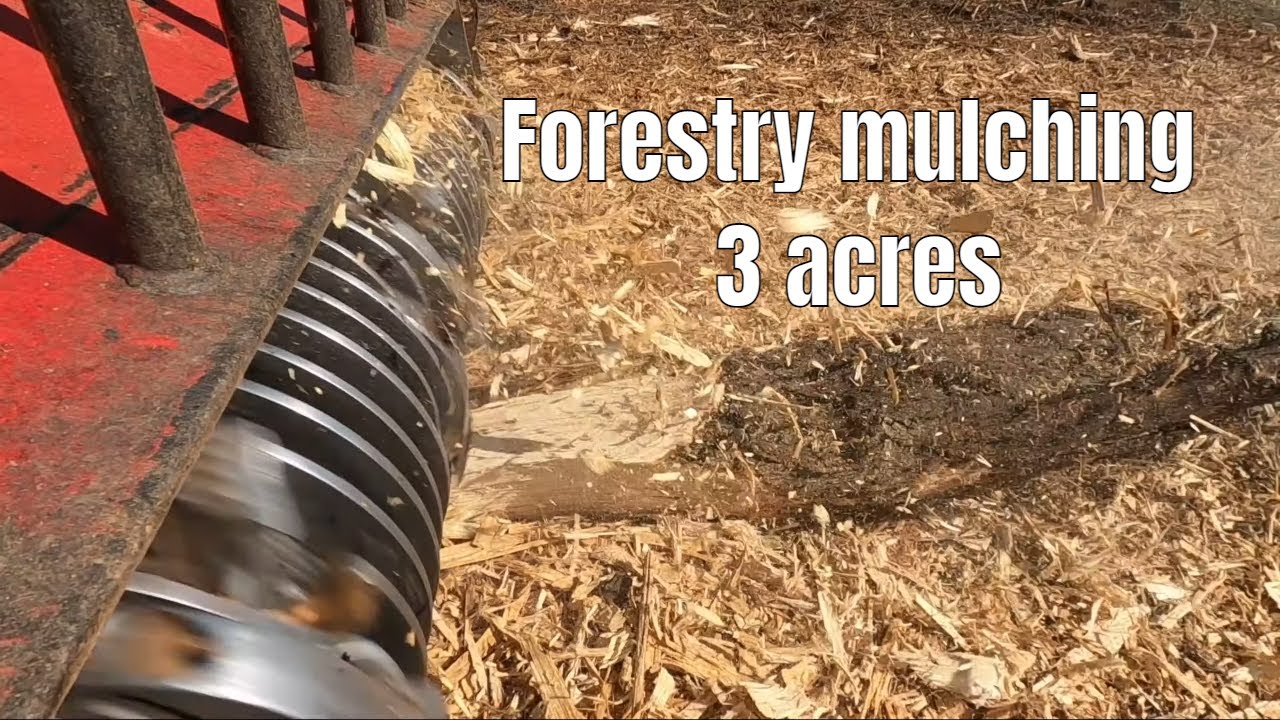
Using methods like forestry mulching allows for effective land clearing while decreasing damages to surrounding ecosystems.
Employing Specialist Land Clearing Companies
Partnering with trustworthy companies that specialize in environmentally accountable methods makes sure compliance with regulations while attaining job objectives efficiently.
Forestry Mulching: An Eco-Friendly Alternative
Forestry mulching constitutes an approach where vegetation is ground into compost as opposed to removed completely. This technique uses various advantages:
- Reduces dirt disturbance. Enhances nutrient retention in soils. Minimizes disintegration threats post-clearing.
Case Studies: Effective Implementation of EIAs in Forestry Clearance Projects
Several jobs worldwide have actually effectively incorporated EIAs into their forestry clearance processes.
Case Study 1: Amazon Rain Forest Project
A significant job focused on agriculture expansion underwent strenuous evaluations highlighting biodiversity issues leading to changed methods that preserved vital environments while permitting development.
Case Research study 2: Urban Development Initiatives
Cities executing urban revival programs have actually discovered success by integrating community responses via EIA appointments, promoting better approval among residents.
Challenges Dealt with During Environmental Effect Assessments
Despite their importance, carrying out EIAs can offer obstacles:
Lack of Resources
Smaller business might fight with funding thorough assessments because of restricted budgets or know-how available within their teams.
Public Opposition
Negative area beliefs towards advancement tasks can complicate analysis procedures, resulting in delays or task cancellations.
Future Directions for Ecological Impact Evaluations in Forestry Clearance
Looking ahead, several fads are emerging within the realm of EIAs:
Increased Modern technology Use
Utilizing satellite images and GIS innovation enhances information collection efficiency throughout evaluations while offering robust logical devices for influence predictions.
Stronger Regulatory Frameworks
Governments around the world are tightening up guidelines worrying ecological evaluations, making sure sustainable techniques end up being conventional method across industries reliant ashore clearing services.
Frequently Asked Inquiries (FAQs)
Q1: What is an Ecological Influence Assessment?
An EIA evaluates possible environmental effects before starting a project to aid identify ways to alleviate negative impacts effectively.
Q2: Are Ecological Impact Analyses mandatory?

Q3: How do EIAs profit communities?
They advertise transparency by including public involvement throughout planning phases while addressing regional problems regarding ecological effects comprehensively.

Q4: What role does forestry mulching play in sustainable land clearing?
Forestry mulching decreases dirt disruption contrasted to standard methods by converting plant life directly into https://markslandclearing.com/contact/ compost-- boosting dirt health while clearing land efficiently!
Q5: Can little firms pay for detailed EIAs?
While costs may vary based on project scale and intricacy, smaller companies typically look for collaborations with seasoned specialists or business focusing on budget-friendly evaluation remedies customized especially for them!
Q6: What tests develop during the EIA process?
Difficulties consist of resource restrictions encountered by smaller companies and navigating public opposition against recommended advancements impacting regional settings negatively!
Conclusion
Conducting Ecological Impact Analyses prior to commencing forestry clearance is not merely a bureaucratic hurdle; it's an essential element in charge of balancing development with eco-friendly stability. By welcoming thoughtful planning via strenuous evaluations-- land clearing services can shift towards sustainability rather than exploitation. The integration of innovative strategies like forestry mulching can minimize adverse results while promoting efficient land usage methods throughout diverse markets associated with landscape transformation-- essentially paving paths towards greener futures!